The Vitamin The Body Lacks When Legs And Bones Are Painful
News 12/12/2025 06:26
Growing up, I spent countless weekends at my nana’s house—a place filled with warmth, the smell of fresh cookies, and endless practical home wisdom. Among her many clever tricks, one hack has stuck with me for life: a ridiculously easy way to remove hard water stains in just two minutes, without scrubbing.
If you’ve ever dealt with cloudy shower doors, crusty faucets, or spotty glassware, you know how stubborn hard water stains can be. But Nana’s method cuts through them instantly—and the best part? You probably already have the magic ingredient sitting in your pantry.
Hard water contains minerals like calcium and magnesium. When water droplets dry, these minerals stay behind and form chalky white spots or streaks. Over time, these deposits build up, making your bathroom fixtures dull and even affecting appliances. The harder your water, the faster the buildup.
Nana’s secret? Plain white vinegar.
It’s cheap, non-toxic, eco-friendly, and surprisingly powerful. Because vinegar is acidic, it cuts through mineral deposits quickly—no harsh chemicals needed.
All you need is:
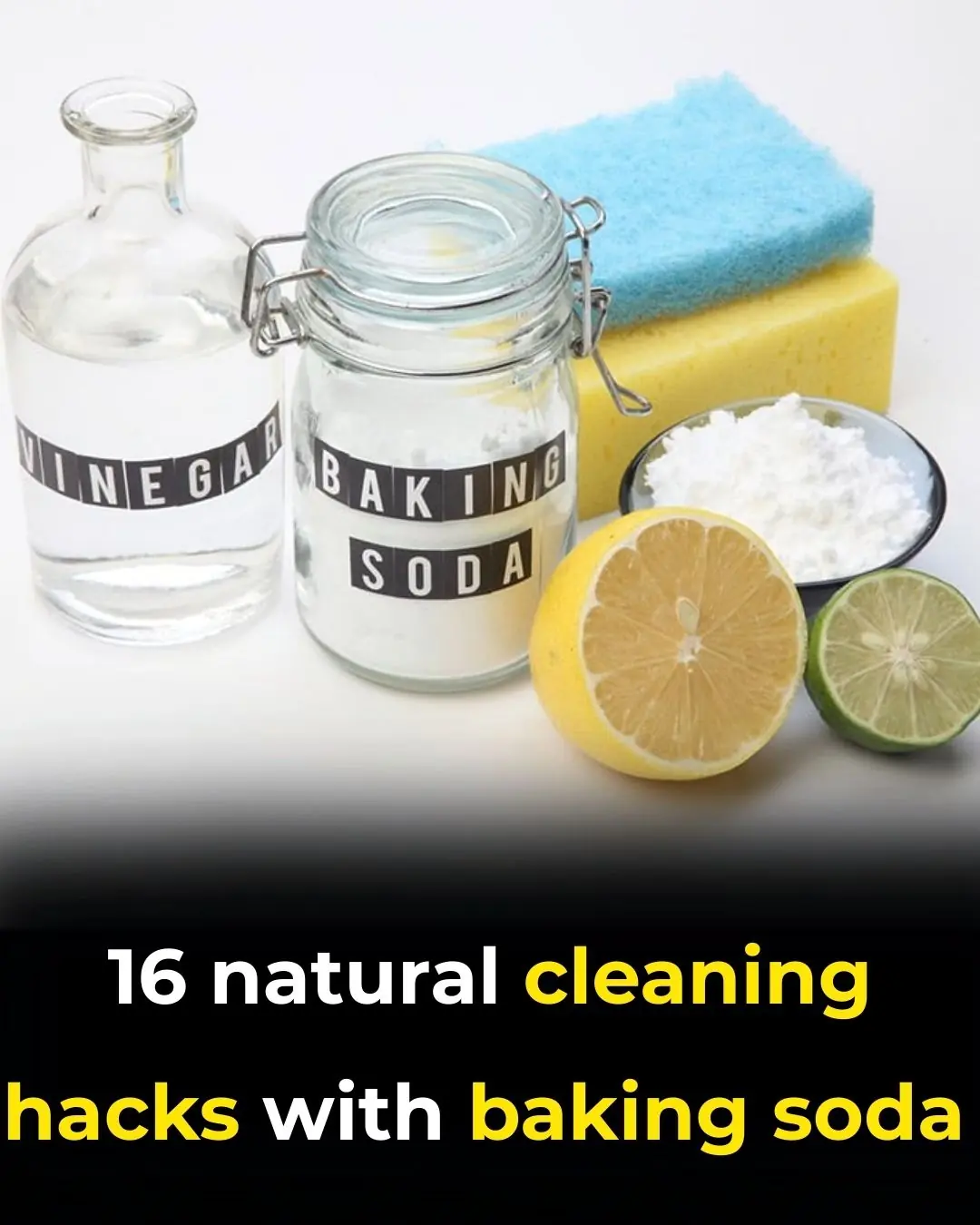
½ cup of white vinegar
A spray bottle
A microfiber cloth or paper towel
Vinegar contains acetic acid, usually around 5%. That mild acidity is strong enough to dissolve calcium and magnesium deposits but gentle enough for most surfaces.
While commercial cleaners rely on harsher ingredients, vinegar breaks down the minerals naturally—so the stains simply wipe away.
Pour white vinegar into a spray bottle (use it full strength).
Spray generously over the stains.
Let it sit for 2 minutes—no scrubbing, no effort.
Wipe clean with a cloth.
Your surface should look shiny and new again.
When vinegar touches calcium carbonate (the mineral in most hard water stains), it reacts instantly—forming calcium acetate, water, and carbon dioxide. This chemical reaction breaks apart the deposit so you can wipe it off effortlessly.
Using vinegar on the wrong surfaces: Avoid natural stone (granite, marble, travertine), which vinegar can etch.
Not waiting long enough: Letting vinegar sit is what does the work for you.
Diluting the vinegar: Full strength works best on tough stains.
Some people use:
Lemon juice — works, but less concentrated
Baking soda — requires scrubbing
Store-bought cleaners — effective but full of harsh chemicals
Vinegar remains the fastest, cheapest, and most eco-friendly solution.
To reduce future build-up:
Install a water softener if your water is very hard
Squeegee shower doors after use
Wipe faucets dry to prevent mineral deposits
Small habits make a big difference.
If you have very hard water: weekly
Moderate water hardness: every 2–4 weeks
Regular quick cleanings prevent heavy buildup.
Many homeowners swear by this trick:
“My shower door looks brand-new again—no scrubbing!”
“I tried everything: cleaners, baking soda, scrubbing. Nothing worked like vinegar.”
It’s simple, fast, and surprisingly satisfying.
A giant jug of white vinegar costs just a few dollars and lasts for months of cleaning. It’s biodegradable, gentle on the environment, and saves you from spending money on multiple specialty cleaners.