The Vitamin The Body Lacks When Legs And Bones Are Painful
News 12/12/2025 06:26
In the search for a cleaner home, many shoppers fall for products that claim to offer quick fixes or miracle results. But behind the attractive packaging and bold promises, many of these items are unnecessary, overpriced, or simply ineffective. The truth is, you can achieve the same—if not better—results using affordable, simple alternatives you probably already have at home.
In this article, we break down 10 cleaning products that aren’t worth your money. Understanding why these items fall short can help you streamline your cleaning routine, cut costs, and avoid being misled by clever marketing.
Scented trash bags offer a temporary perfume that quickly fades and does little to combat actual odor. Many brands charge significantly more for the scent—even though the odor returns as soon as food waste breaks down.
A better option is sprinkling baking soda or using activated charcoal at the bottom of your bin to naturally absorb smells.
Disinfecting wipes are convenient, but you pay a premium for that convenience. Packs often cost several dollars for just a few dozen wipes—and they contribute heavily to environmental waste.
A reusable cloth paired with a simple vinegar-and-water spray gives you the same cleaning power for a fraction of the cost.
Most fabric sprays simply mask odors with fragrance instead of eliminating them. Many are pricey for the small amount you get.
A mixture of water + white vinegar spritzed lightly onto fabrics neutralizes odors naturally and dissipates quickly.
Specialized stainless steel sprays can cost over $10 and often leave greasy residue that attracts fingerprints.
A drop of olive oil on a microfiber cloth cleans and polishes stainless steel beautifully without chemicals.
Despite being marketed as superior germ fighters, antibacterial soaps offer no real advantage over regular soap and water. Some ingredients have even been banned for safety concerns.
Stick with plain soap—it’s effective, affordable, and avoids unnecessary chemicals.
Chemical carpet cleaners often leave behind residue that attracts even more dirt. Many contain harsh ingredients that aren’t great for indoor air quality.
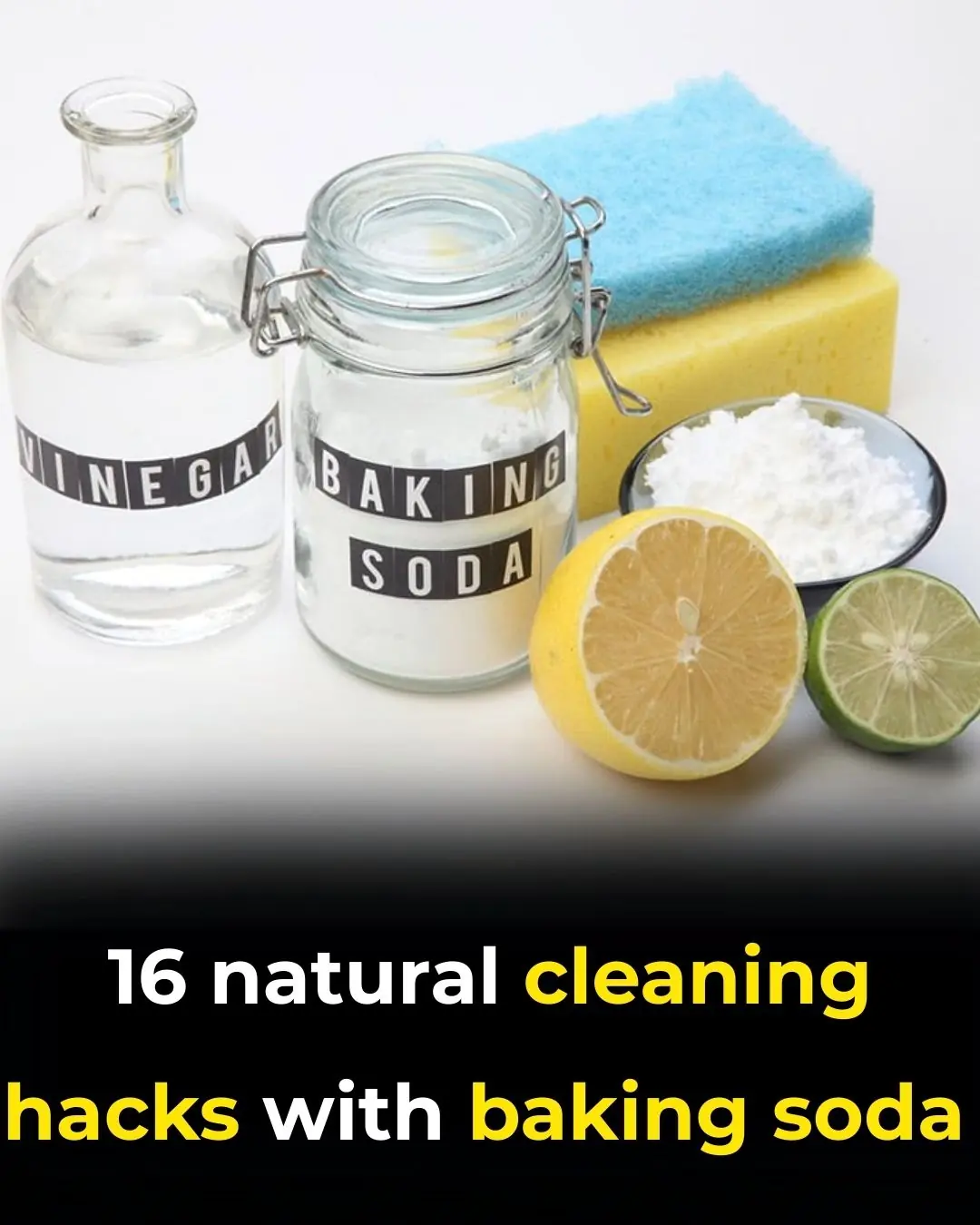
For everyday cleaning, baking soda works wonders. Sprinkle, let sit, and vacuum.
Store-bought window sprays often contain ammonia and cost far more than they should.
Equal parts vinegar and water provide streak-free shine at a tiny fraction of the cost.
Those powerful drain-opening liquids are corrosive and can damage plumbing over time.
For minor clogs, pour baking soda, then vinegar, let it foam, and finish with boiling water.
Air fresheners don’t actually eliminate odors—they cover them with synthetic scents and can release VOCs that irritate sensitive lungs.
Instead, improve ventilation or simmer citrus peels on the stove for natural fragrance.
Rinse aids are marketed as essential for spot-free dishes, but most simply counter hard water.
A small cup of white vinegar placed on the top rack during a cycle softens water and prevents spots—no pricey additives needed.
While they do remove scuffs, cleaning erasers are basically compressed melamine foam sold at a high markup. They also wear out very quickly.
Generic melamine sponges—far cheaper—do the same job, or you can use mild abrasive paste cleaners instead.