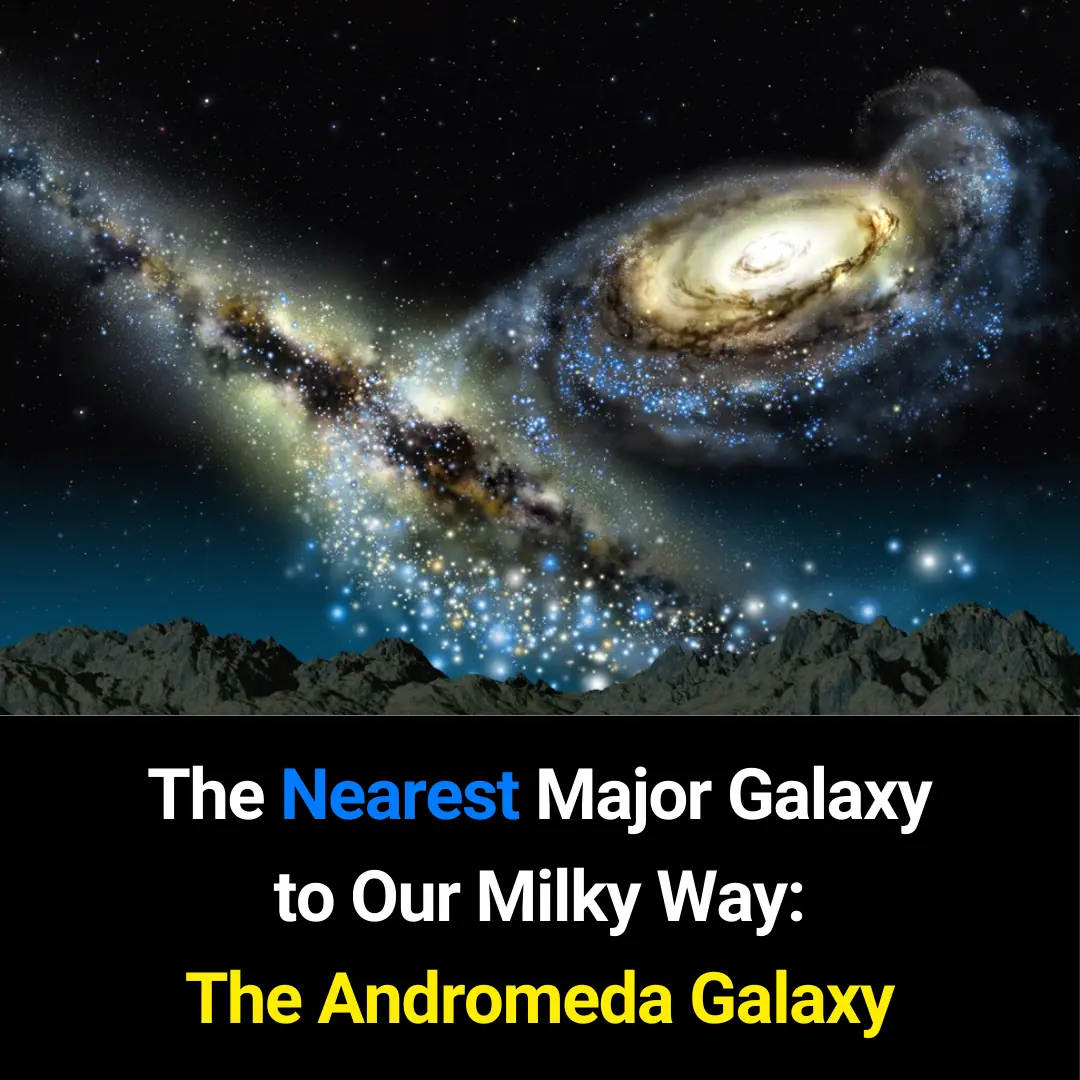
Meet Our Cosmic Neighbor — The Andromeda Galaxy (M31)
Facts 10/12/2025 23:45
Two Lungs. One Earth. One Future.
In this powerful visual representation, Earth’s lungs are brought to life — one is a lush expanse of green forests, while the other is teeming with the vibrant coral reefs and diverse marine life that populate our oceans. Together, these two ecosystems symbolize the fragile balance that sustains life on our planet. They are the lungs of the Earth, interconnected systems that ensure the well-being of the environment and the organisms that depend on it.
The importance of forests and oceans extends far beyond their natural beauty. They are not simply picturesque landscapes; they are vital components of Earth's life support system. Forests, particularly tropical rainforests, play a crucial role in purifying the air we breathe, absorbing carbon dioxide, and releasing oxygen. The oceans, too, are fundamental in sustaining life. Phytoplankton in the ocean generates approximately 50% of the Earth's oxygen, while coral reefs support diverse marine species, helping regulate the planet’s temperature. Together, these ecosystems help regulate climate patterns, maintain atmospheric balance, and provide resources necessary for human survival. Without them, life on Earth would face dire consequences.
Unfortunately, these ecosystems are under significant threat. Forests are being cleared at an alarming rate due to deforestation, often driven by agricultural expansion, logging, and urbanization. According to a 2020 report by the Food and Agriculture Organization (FAO), the world loses about 10 million hectares of forest each year, contributing to a decrease in biodiversity and disrupting the global carbon cycle. Similarly, the oceans are facing increasing pollution, with plastics and other waste damaging marine habitats and harming wildlife. Climate change is also taking a toll on both ecosystems, with rising temperatures threatening to disrupt the delicate balance of coral reefs and causing forest ecosystems to dry out, increasing the risk of wildfires.
But this issue is not just about the environment; it’s about humanity’s survival. Every breath we take is directly linked to the health of the Earth's lungs. The air we breathe, the food we eat, and the stability of the climate we depend on are all products of healthy forests and oceans. Actions that we take—whether positive, like planting trees and reducing plastic use, or negative, such as contributing to pollution and deforestation—have a direct impact on these ecosystems. The choices we make today will shape the future health of both the Earth and its inhabitants.
The need to protect and restore the green lungs of the planet (the forests) and the blue lungs (the oceans) has never been more urgent. Restoring forests, preventing further deforestation, and mitigating pollution in the oceans are all critical steps we can take to protect these essential ecosystems. According to the Intergovernmental Panel on Climate Change (IPCC), halting deforestation and restoring degraded ecosystems could be some of the most effective strategies to combat climate change. Additionally, efforts to reduce ocean plastic pollution and protect coral reefs are vital to ensuring the continued health of marine life and the global ecosystem.
Ultimately, the health of the Earth’s lungs is tied to our own well-being. If we neglect these ecosystems, we risk the collapse of the delicate environmental systems that support life on Earth. But if we take action now, we can protect and restore these vital systems, ensuring a healthier, more sustainable future for all species, including our own.
Let’s come together to safeguard the green and restore the blue. Because the health of the Earth is inextricably linked to our own. Our planet's lungs—forests and oceans—are not just vital for the environment; they are essential for our survival. By prioritizing the protection of these ecosystems, we are investing in a brighter, healthier future for ourselves, for generations to come, and for the countless species that call Earth home.
Sources:
Food and Agriculture Organization (FAO). (2020). "Global Forest Resources Assessment 2020." FAO.
Intergovernmental Panel on Climate Change (IPCC). (2018). "Special Report on Global Warming of 1.5°C."
National Oceanic and Atmospheric Administration (NOAA). (2021). "Oceans and Climate Change."
United Nations Environment Programme (UNEP). (2020). "A New Deal for Nature and People."