When boiling duck, don't add ginger and cold water: Add this and the meat will lose all its stench, and you won't get tired of eating it.
Tips 06/12/2025 16:13
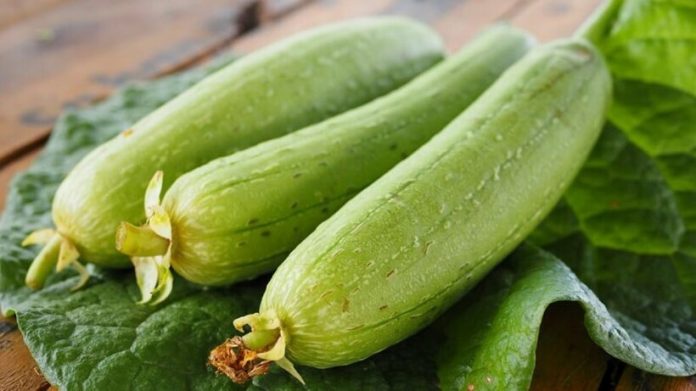
Luffa is a familiar ingredient in Vietnamese cuisine, loved not only for its naturally sweet flavor but also for its impressive health benefits. Whether used in soups, stir-fries, or refreshing salads, this nutritious vegetable is a versatile staple in many households.
However, when shopping at the market, many people wonder whether they should pick luffa with dark green skin or light green skin. Understanding the difference between the two can help you choose the best luffa for your dish and ensure optimal flavor and nutrition.
Below is a detailed guide to help you make the right choice.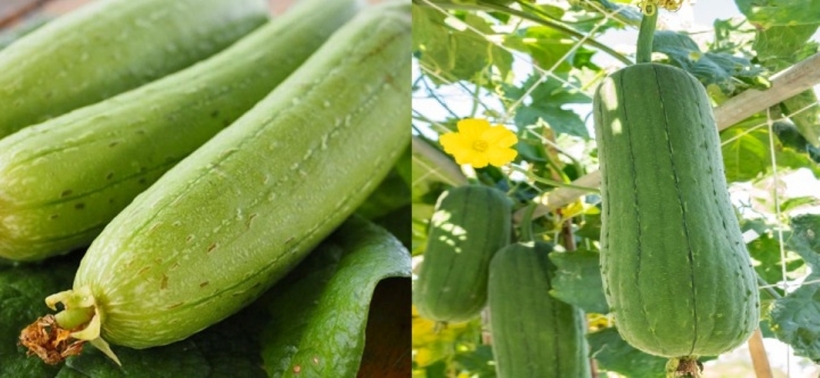
Luffa contains a wide range of vitamins and minerals that help cool the body, detoxify, and support healthy digestion. Selecting the right type ensures:
Better taste and texture
More nutritional value
Fewer chances of buying over-ripe or fibrous luffa
A more enjoyable cooking experience
Choosing wisely also helps you avoid waste and ensures your dishes turn out delicious every time.
Color: Dark green skin usually indicates an older, more mature luffa.
Size: Typically longer and larger than light green varieties.
Taste & Texture: Tends to have a stronger, sweeter flavor, though the texture may sometimes be slightly fibrous.
Higher nutrition content: Dark-skinned luffas often contain more fiber and vitamin C due to a longer growing period.
Rich flavor: Ideal for soups, stir-fries, and dishes that benefit from a deeper, natural sweetness.
Color: Light green skin indicates the luffa is younger and harvested earlier.
Size: Generally smaller and shorter.
Taste & Texture: Has a fresh, mild taste and a soft texture, and is less likely to be fibrous.
Sufficient nutrients: Although less nutrient-dense than mature luffa, it still offers plenty of vitamins and minerals.
Refreshing taste: Great for salads, cold dishes, and meals that require a light and clean flavor.
Fresh luffa has smooth, even, and clearly defined ridges. These indicate that the vegetable was recently harvested.
Avoid luffas with wrinkled or uneven ridges, as they are likely old and tough.
A fresh luffa will have a stem that is still green, moist, and free from dark spots.
If the stem is dry, darkened, or shriveled—even if the price is attractive—the luffa is probably old and less flavorful.
Choose luffas with moderately thick skin that feels smooth and not overly rough.
Medium-length luffas are usually the best—neither too long (which may indicate toughness) nor too short (which may lack flavor).
Gently press the tip of the luffa.
If it feels firm and springy, it is fresh and crisp.
If it feels soft, mushy, or collapses under pressure, it has likely been stored too long or has become overripe.
Promotes digestion, prevents constipation, and supports gut health.
Natural enzymes in luffa enhance digestive function and improve nutrient absorption.
Helps the body flush out toxins, supports kidney function, and reduces bloating.
Perfect for hot weather, luffa helps reduce internal heat, soothe fevers, and refresh the body.
Boosts immunity, protects against infections, and supports overall health.
Protects cells from free-radical damage, contributing to anti-aging and disease prevention.
Helps stabilize glucose levels after meals—particularly beneficial for people with diabetes.
Fiber in luffa helps reduce LDL cholesterol, promoting heart health.
Rich in potassium, which helps regulate blood pressure and prevent hypertension.
The naturally high water content keeps skin moisturized and supple.
Its antibacterial compounds help reduce acne and support clearer skin.
Contains calcium and magnesium, essential for maintaining strong bones and preventing osteoporosis.