When boiling duck, don't add ginger and cold water: Add this and the meat will lose all its stench, and you won't get tired of eating it.
Tips 06/12/2025 16:13
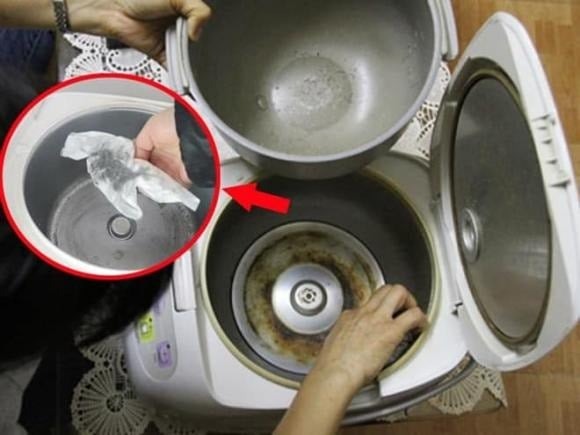
Many people rarely clean their rice cookers, and because of this simple habit, they end up paying noticeably higher electricity bills every month.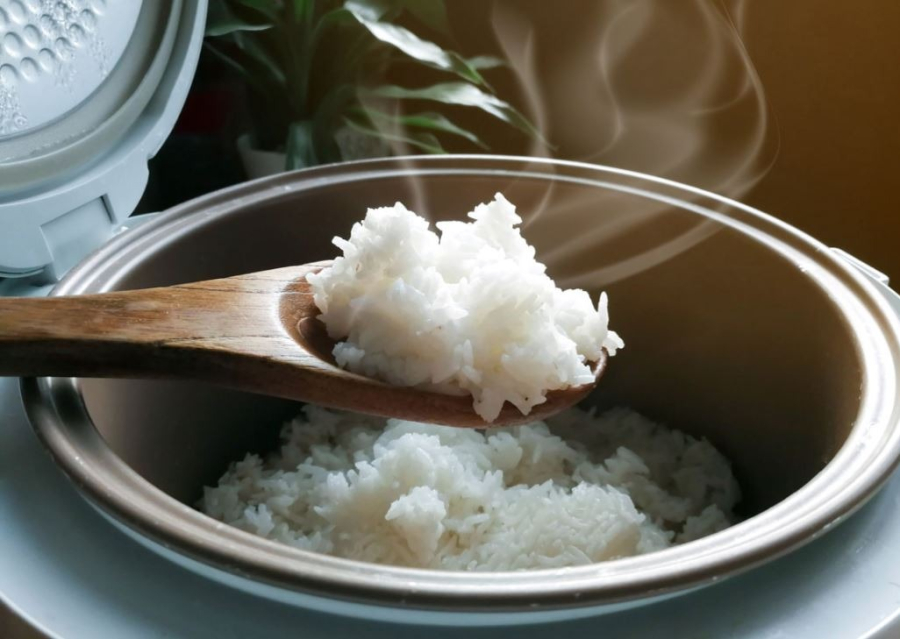
Energy waste when using a rice cooker usually stems from improper operation and a lack of regular maintenance.
One common mistake is plugging in the rice cooker too early before mealtime or leaving it in the “Keep Warm” mode for hours after the rice is already cooked. Although many people believe the warming function uses very little electricity, it still contributes to unnecessary consumption—especially when used daily.
Another source of energy waste is choosing a rice cooker with a capacity much larger than your household needs. Oversized rice cookers require more energy to heat up, cook rice evenly, and maintain internal temperature. Over time, this results in consistently higher electricity usage even if the amount of rice cooked is small.
Most importantly, a rice cooker that is not cleaned regularly will gradually lose its cooking efficiency. Moisture, residue, and mineral deposits can accumulate inside the cooker, particularly around the heating plate. These buildups reduce heat transfer, causing the cooker to run longer and use more electricity to finish a simple batch of rice.
After long-term use, some signs may appear: rice is not cooked evenly, the cooking time becomes noticeably longer, or the rice turns out too hard or too mushy even with the same amount of water. When this happens, it is crucial to clean the metal heating plate located between the cooker base and the inner pot.
If this surface is covered with burnt residue, dried rice grains, or mineral deposits, heat cannot transfer efficiently from the heating plate to the inner pot. The rice cooker must then work harder and longer to reach the required temperature. As a result, electricity consumption increases significantly without you realizing it.
By thoroughly cleaning this heating plate, you help restore proper heat conduction. This improves cooking performance, shortens cooking time, reduces energy usage, and even extends the lifespan of the appliance. Over the course of a year, this simple maintenance habit can save you a surprising amount of money.
Here are the steps you should follow regularly to keep your rice cooker working efficiently:
Make sure the cooker has completely cooled down and unplug it from the outlet before cleaning.
Use an adequate amount of white vinegar to wipe the heating plate using a soft sponge or cloth soaked in vinegar.
For stubborn stains, pour a thin layer of vinegar onto the plate and let it sit for 10–15 minutes to loosen the residue.
After soaking, wipe the surface again with a damp cloth until all dirt is removed.
If stains remain, repeat the cleaning process with vinegar two or three more times until the plate is fully clean.
Finally, dry the heating plate thoroughly with a paper towel or a dry cloth to prevent moisture from affecting the cooker’s electrical components.
Regular maintenance, especially cleaning the heating plate, helps the rice cooker operate more efficiently, reduce electricity consumption, and increase its durability. With consistent care, you can significantly cut down your monthly electricity expenses while keeping your rice cooker in excellent condition for years.