When boiling duck, don't add ginger and cold water: Add this and the meat will lose all its stench, and you won't get tired of eating it.
Tips 06/12/2025 16:13
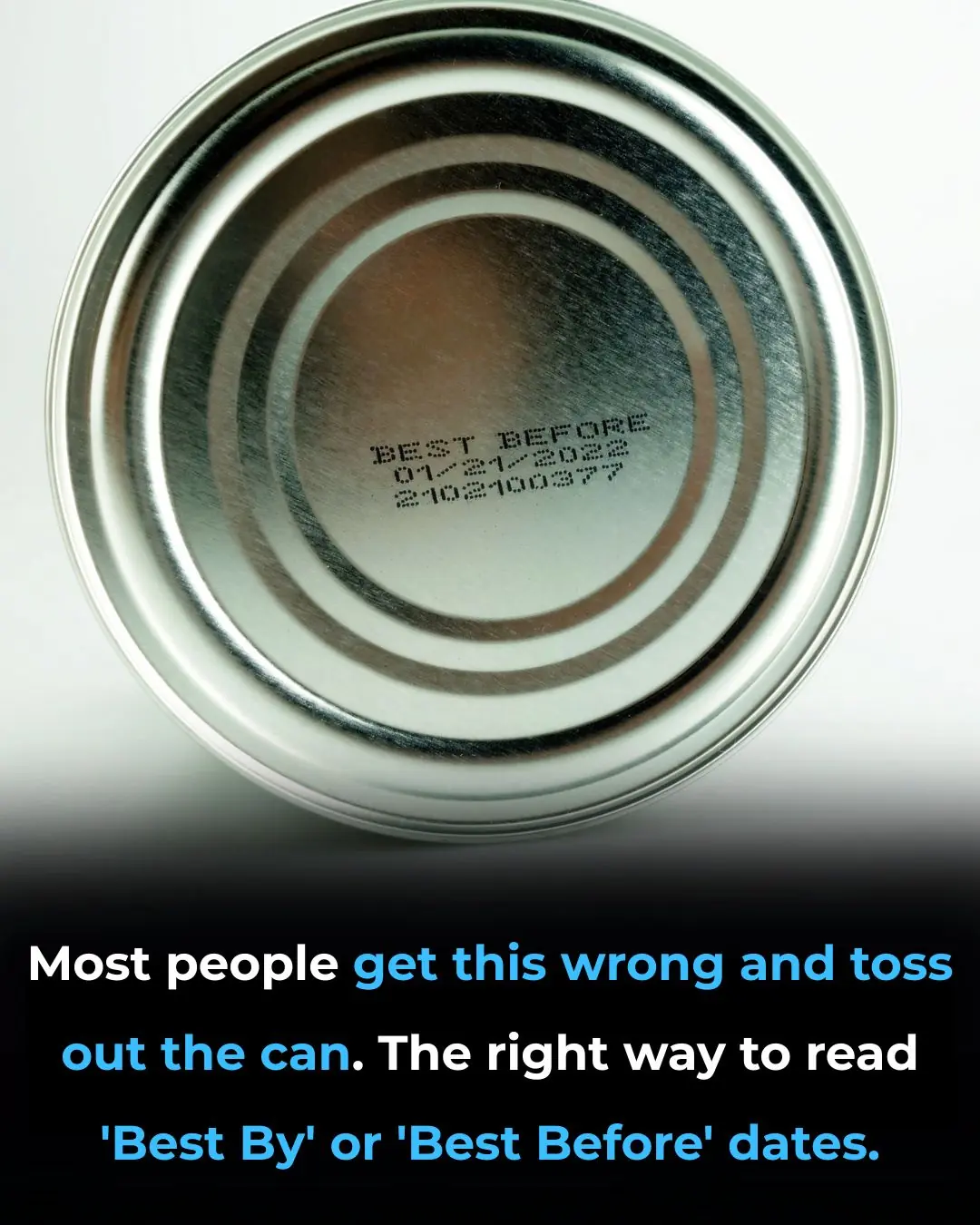
Many shoppers misunderstand the “Best By” or “Best Before” dates printed on packaged foods. As a result, they often throw away perfectly good products, especially canned foods, leading to unnecessary food waste. In reality, these dates refer to quality, not safety. Understanding how to read food labels properly helps you save money, reduce waste, and make better decisions for your household.

Manufacturers use “Best By” dates to show the period when a product is at its peak flavor, texture, and nutritional value. These labels depend on the food type, packaging, and storage conditions.
According to the USDA Food Safety and Inspection Service, these dates are not federally regulated (except infant formula) and do not mean the food becomes unsafe after the printed day. They are simply recommendations for optimum quality.
Sources: USDA, FDA Food Safety, Food Marketing Institute.
Many people mistakenly treat “Best By” dates as strict expiration deadlines. However:
Food does not automatically spoil once it passes this date.
Shelf-stable items—especially canned foods—can remain safe and high-quality for years if stored correctly.
The FDA confirms that most products remain safe past the date as long as they show no signs of spoilage.
This misunderstanding is a major contributor to the global food waste problem. The FAO (Food and Agriculture Organization) estimates that over 30% of all food produced is wasted each year, much of it due to label confusion.
Understanding the terminology helps avoid unnecessary waste:
Best By / Best Before:
Indicates the period when the food is at its best quality, flavor, and texture.
Use By:
Indicates a more safety-related date, primarily for highly perishable items such as deli meats, dairy, or prepared foods.
For most canned and shelf-stable foods, the date is not a safety threshold.
Sources: USDA, Harvard T.H. Chan School of Public Health.
When stored properly—cool, dry place, and undamaged cans—many foods last far beyond the printed date.
Typical extended shelf life examples:
Vegetables: 1–3 years past date
Soups & stews: 1–2 years
Canned fruits: 1–2 years
Canned fish or meat: 2–5 years
Tomato-based products: usually shorter due to acidity but still safe if not damaged
These ranges come from guidance by the USDA and major food storage studies.
Even if the date has passed, you can easily evaluate safety using your senses:
Avoid cans that are bulging, leaking, rusty, or deeply dented, especially around the seams.
If you open the can and detect odd, sour, metallic, or rotten odors, discard it.
If it looks and smells fine, taste a small amount. Anything unusual means you should not eat it.
The CDC and USDA emphasize that botulism risks come from damaged cans, not from passed dates.
To make canned foods last longer:
Store between 50–70°F (10–21°C)
Keep in a dry area away from humidity
Avoid garages, attics, or damp basements
Protect from direct sunlight
Good storage conditions help prevent rusting, flavor changes, and nutrient loss.
Discarding food that is still safe impacts both:
You lose money by replacing food that didn’t need to be thrown out.
Wasted food ends up in landfills, producing methane—a greenhouse gas that contributes to climate change. Misreading labels plays a major role in food waste globally.
Sources: FAO, EPA, USDA.
Don’t panic over “Best By” dates—they relate to quality, not safety.
Practice FIFO (First In, First Out) to rotate pantry items.
Buy only what you need for perishable goods.
Donate non-perishable foods nearing their “Best By” date to local food banks.
Learn the difference between storage conditions and spoilage signs.
Improving label literacy is one of the easiest ways to reduce food waste at home.
By understanding what “Best By” and “Best Before” dates actually mean, you can make better-informed decisions about your food. Most canned foods last long after their printed dates, as long as they show no signs of spoilage. With good storage habits and a little awareness, you can reduce waste, protect your budget, and make more sustainable choices.