Only a few people manage to solve this
Facts 03/05/2026 23:57
Plastic Bag Found in Mariana Trench: A Deep Warning About Ocean Pollution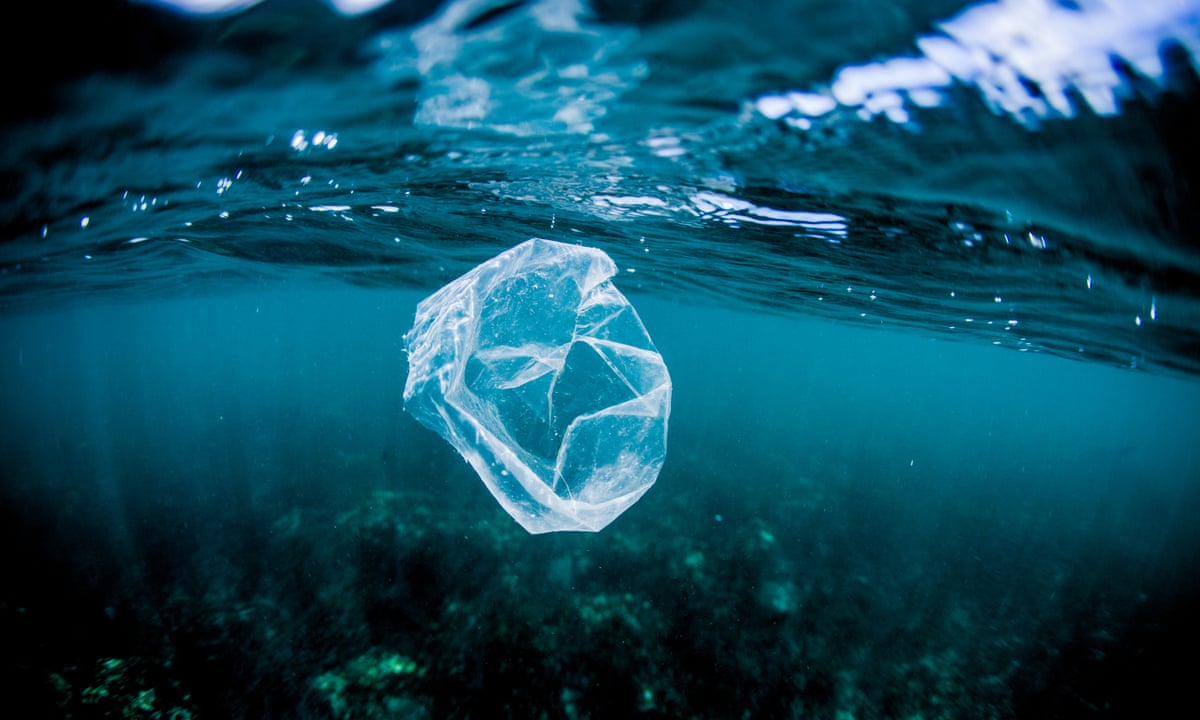
The Mariana Trench, the deepest part of the world’s oceans, has long been viewed as an untouched sanctuary beyond human influence. However, a shocking discovery shattered this belief: a single-use plastic bag found at the bottom of the trench. This unsettling find serves as a stark warning about the extent of plastic pollution and its far-reaching consequences for marine life and the planet.
Though the Mariana Trench is located nearly 11,000 meters below the ocean surface, it is not devoid of life. Researchers have found a surprising variety of marine species thriving in the darkness, from deep-sea corals to jellyfish and even octopuses. Yet, along with these incredible lifeforms, researchers also uncovered alarming evidence of human impact—plastic waste.
Data from the Deep-Sea Debris Database reveals that 17% of plastic-related images from the trench show marine life interacting with debris. These interactions include entanglement and ingestion, both of which are potentially fatal for the creatures that inhabit these deep-sea environments.
Plastic pollution is one of the most urgent environmental issues facing our world today. Single-use plastics, such as the bag found in the Mariana Trench, are among the most common forms of marine litter. These items are used briefly but take hundreds of years to decompose, often ending up in our oceans through improper disposal and waste management.
According to the Deep-Sea Debris Database, plastic is the most frequently found material among ocean debris. Even more concerning is that 89% of the plastic found in the trench is single-use plastic—such as shopping bags, food wrappers, and packaging materials. These findings highlight just how widespread the issue of plastic waste has become.
Although the Mariana Trench is isolated and located far from human settlements, the plastic found there is undeniably linked to human activity. Oceanic plastic pollution comes from two primary sources: sea-based and land-based. About 20% originates from dumping by ships and offshore operations. The remaining 80% comes from land, carried into the ocean by rivers and wind.
Research has identified ten major rivers—primarily in Asia—that are responsible for transporting the majority of land-based plastic waste into the oceans. These rivers pass through densely populated urban areas where waste disposal systems are often inadequate, allowing plastic to enter the waterways and eventually make its way to even the most remote parts of the ocean.
Discarded fishing gear is another major contributor. Lost or abandoned nets and lines make up a significant portion of marine plastic, especially in massive garbage patches like the Great Pacific Garbage Patch located between Hawaii and California.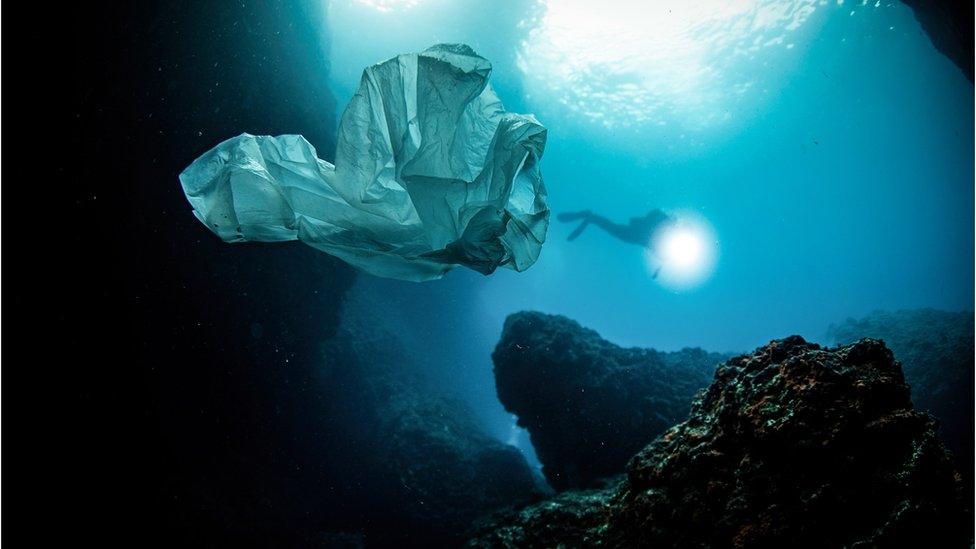
Once plastic enters the ocean, it breaks down into smaller pieces called microplastics. These tiny fragments float through the water column and eventually settle on the seafloor. Microplastics have now been detected in every layer of the ocean, including the deepest regions like the Mariana Trench.
Even more concerning is the release of toxic chemicals during the plastic breakdown process. These pollutants can accumulate in marine ecosystems, posing serious health risks to aquatic life and potentially entering the human food chain through seafood consumption.
The discovery of a plastic bag in the Mariana Trench is more than just a shocking headline—it is a wake-up call for humanity. It reveals the global reach of our plastic waste and the urgent need for change. Tackling this crisis requires coordinated international efforts, including reducing plastic production, improving waste management systems, and investing in sustainable alternatives.
Protecting our oceans is not just an environmental issue—it is a necessity for the health of our planet and future generations.