Here's What the Letter 'M' and the Crescent Moon on the Palm of Your Hand Truly Signify
Facts 29/06/2026 22:00
Ever wondered why some people insist on drinking their coffee black, without sugar or cream? According to scientists, your taste buds might reveal more about your personality than you think—and the results are surprising.
A recent body of research suggests that people who enjoy bitter flavors, especially plain black coffee, could be more likely to exhibit traits commonly associated with antisocial personality disorder (ASPD). While the term “psychopath” is often used loosely in pop culture, experts emphasize that it is not a formal clinical diagnosis. Instead, it usually refers to individuals with ASPD, who may show patterns of impulsive behavior, low empathy, manipulativeness, and a difficulty distinguishing right from wrong.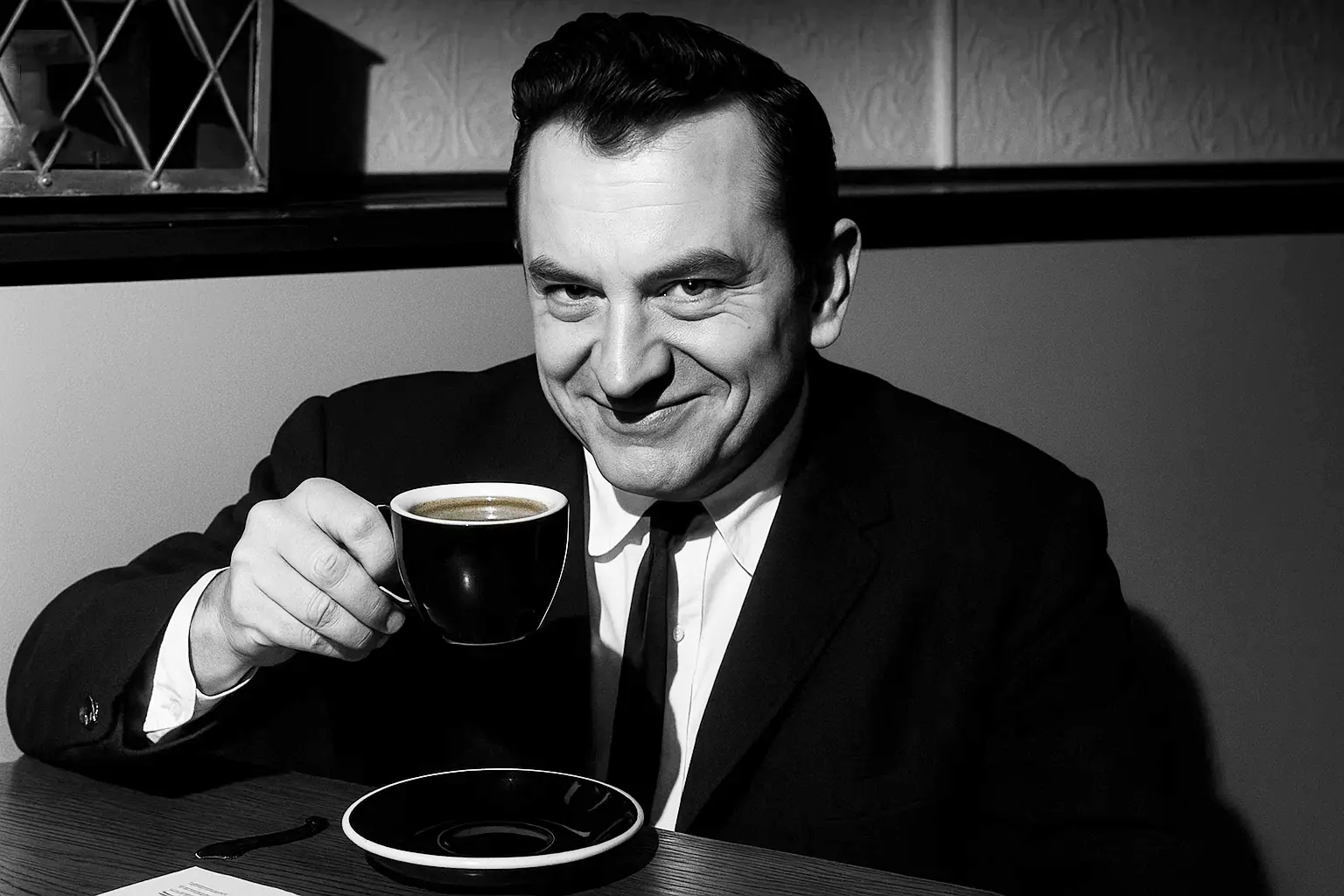
Coffee Preferences and Personality: The Study That Sparked Global Debate
Back in 2016, researchers from the University of Innsbruck in Austria surveyed 953 American adults about their food and beverage preferences. Participants reported their taste likes and dislikes—ranging from sweet and salty to bitter—before completing four detailed personality assessments. These tests measured a spectrum of psychological traits, including narcissism, everyday sadism, Machiavellianism, and psychopathy, as well as the well-known “Big Five” factors: openness, conscientiousness, agreeableness, extroversion, and neuroticism.
When analyzing the data, researchers discovered a striking pattern: those who consistently preferred bitter tastes, such as black coffee, dark chocolate, or even gin, scored higher on measures associated with what psychologists call “malevolent personality traits.” The most consistent correlations were with everyday sadism and psychopathy.
Why Bitter Foods? The Psychology Behind the Preference
Experts theorize that enjoying bitter flavors could reflect more than just an acquired taste. Since bitterness is evolutionarily linked with toxins and danger, humans are naturally inclined to reject it. Choosing bitter foods may therefore suggest a psychological openness to risk, defiance of social norms, or even a subconscious attraction to discomfort.
However, scientists stress caution. Taste preference does not determine behavior. For example, someone may drink black coffee purely for health reasons, cost efficiency, or simply habit. As the researchers themselves noted: “Linking taste preferences to personality traits is still in its early stages, and more research is needed to confirm these findings.”
Previous Research Supports the Connection
This was not the first time the idea surfaced. In 2015, Megan Willis, now an Associate Professor at Australian Catholic University, pointed to a weak but notable correlation between bitter taste preferences and psychopathy scores. “People at the psychopathic end of the spectrum are slightly more likely to express a preference for eating or drinking bitter things in general,” Willis wrote in The Conversation.
While the study’s findings are fascinating, experts caution against jumping to conclusions. Liking black coffee or dark chocolate doesn’t mean someone is dangerous—it might just mean they appreciate bold flavors. Still, the link between bitter tastes and personality traits offers intriguing insight into how everyday choices could reflect deeper psychological tendencies.
So, the next time someone orders a strong, unsweetened espresso, you may wonder: is it simply a love for pure coffee—or is their taste revealing something far more complex about who they are?