
Shocking Truth About How Crabsticks Are Made
Facts 06/12/2025 15:48
Zohran Mamdani, 34, Emerges Victorious in New York City’s Latest Mayoral Election — But May Never Be Sworn In as the 111th Mayor
Despite being elected last month as New York City’s newest mayor, historian Paul Hortenstine has argued that Zohran Mamdani may never officially hold the title of the city’s 111th mayor. According to his research, a centuries-old clerical error suggests Mamdani’s numerical place in the city’s long line of leaders has been recorded incorrectly.
The 34-year-old politician’s victory was historic for many reasons. Mamdani became the first Muslim mayor of New York City, the first mayor of South Asian descent, and the first to be born on the African continent. His win also marked the rise of the first Millennial mayor, while his wife, Rama Duwaji, just 28, is set to become the city’s first Gen Z first lady. His supporters eagerly await his inauguration on January 1, 2026, despite criticism from political opponents such as Donald Trump, who has labeled him a “100 percent communist lunatic” and a “total nut job.”
Yet questions linger over what number mayor Mamdani will actually become.
Rumors began circulating after Hortenstine uncovered evidence suggesting a mistake dating back to the 17th century. While studying historical ties between early NYC officials and the slave trade, he discovered that Matthias Nicolls, long listed as the city’s sixth mayor, actually held office twice—first in 1672, then again in 1675.
Much like U.S. presidents, whose second terms are counted separately when nonconsecutive, Nicolls’ returning term should have been assigned a separate number. However, the second term was overlooked in the official lists and appeared only in archival documents belonging to Edmund Andros, the colonial governor of New York at the time. As a result, every mayor after the city’s seventh has been misnumbered, meaning Mamdani would technically be New York’s 112th mayor, not the 111th.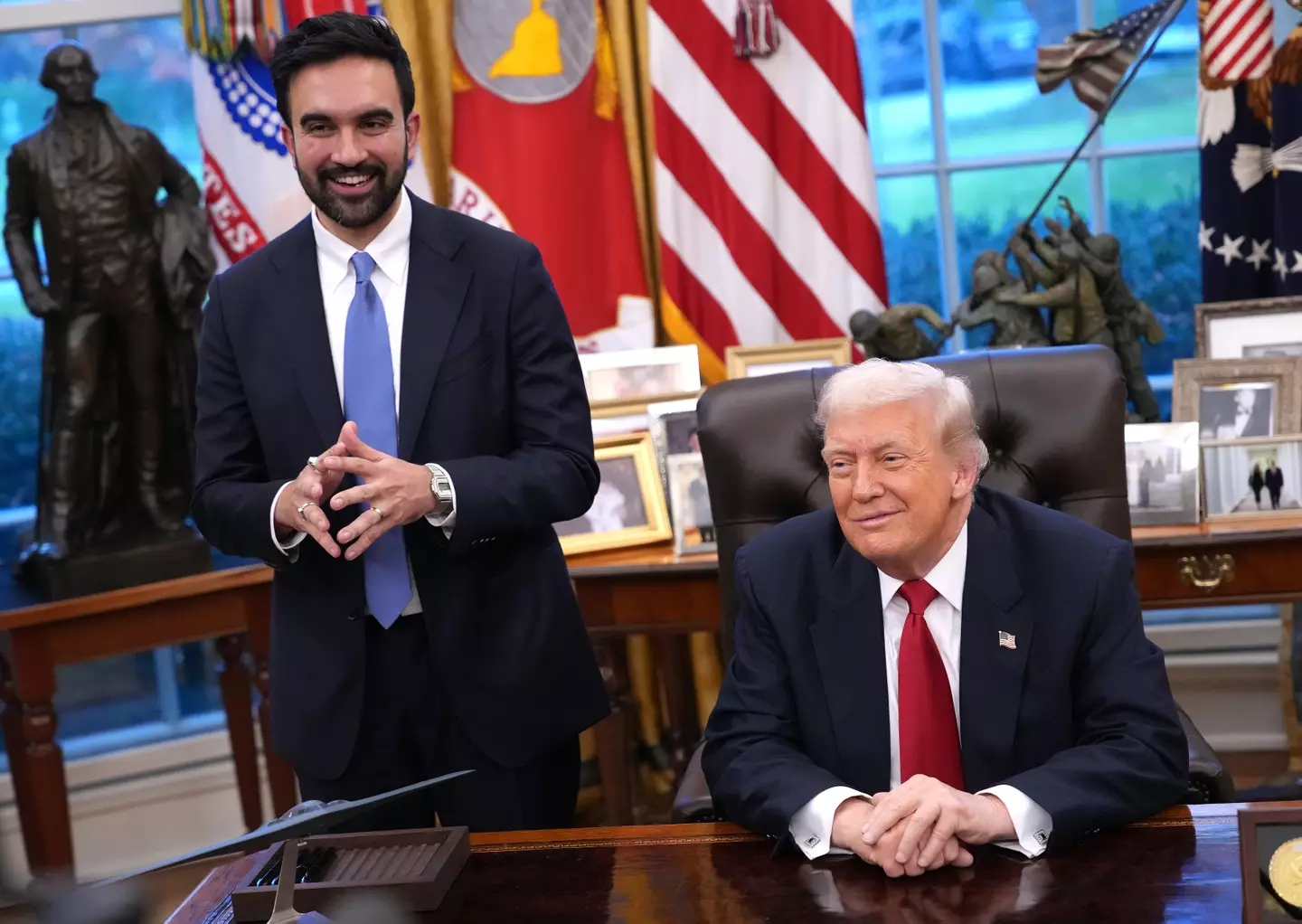
Hortenstine, who is based in Washington, D.C., has contacted the mayor’s office urging officials to correct the historical record. “This was in 1675,” he emphasized, noting that Nicolls’ second term was omitted simply because later record-keepers failed to notice it. His findings have been supported by other historians and historical organizations, adding weight to the claim.
The issue isn’t entirely new. Historian Peter R. Christoph raised similar concerns decades earlier. In a 1989 essay published by the New York Genealogical and Biographical Society, Christoph stated that former mayor Edward I. Koch, widely known as New York’s 105th mayor, should in fact be counted as the 106th. He argued that nearly a century of mayors had been assigned incorrect numbers, calling it “a mind-boggling thought” that dozens of leaders died believing in the wrong numerical place in history.
“How could such a thing happen?” Christoph asked, highlighting how easily historical inconsistencies can persist when early administrative documents are incomplete or overlooked.
What happens next remains uncertain. City officials have not yet issued a response, and it’s unclear whether New York will revise its official records. For Mamdani, the discrepancy may seem symbolic rather than consequential, but it raises broader questions about how institutional memory is preserved—and how even the most established records can contain hidden errors that survive for centuries.